What is IBD?
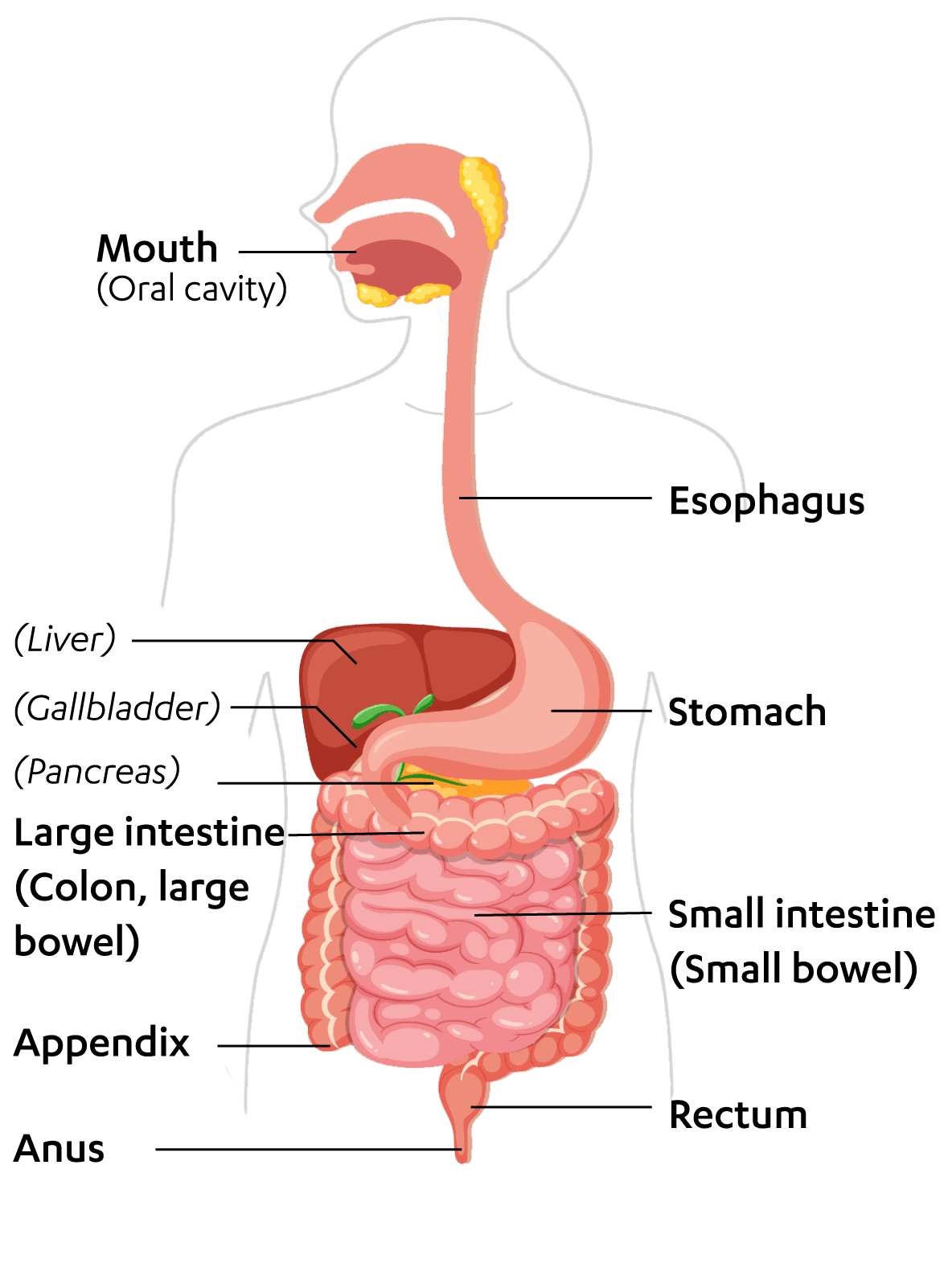
IBD is an ongoing condition that causes inflammation of the gastrointestinal tract.
With IBD, immune cells attack healthy tissue, causing inflammation. Over time, this inflammation may lead to damage in the gastrointestinal tract.
There are two common types of IBD: Crohn’s disease and ulcerative colitis.
Crohn’s disease can affect any part of the gastrointestinal tract from the mouth to anus.
Ulcerative colitis only affects the large intestine, including the colon and rectum.
We do not fully understand the exact cause of IBD. But some causes may include:
Genetics (can occur in families but not everyone will get it)
Environmental triggers
An imbalance to the immune system that can cause interactions in your gut bacteria
IBD can affect anyone, regardless of their race, ethnicity, income, or background.